Upcoming Launches
Stay up to date with the latest space missions.
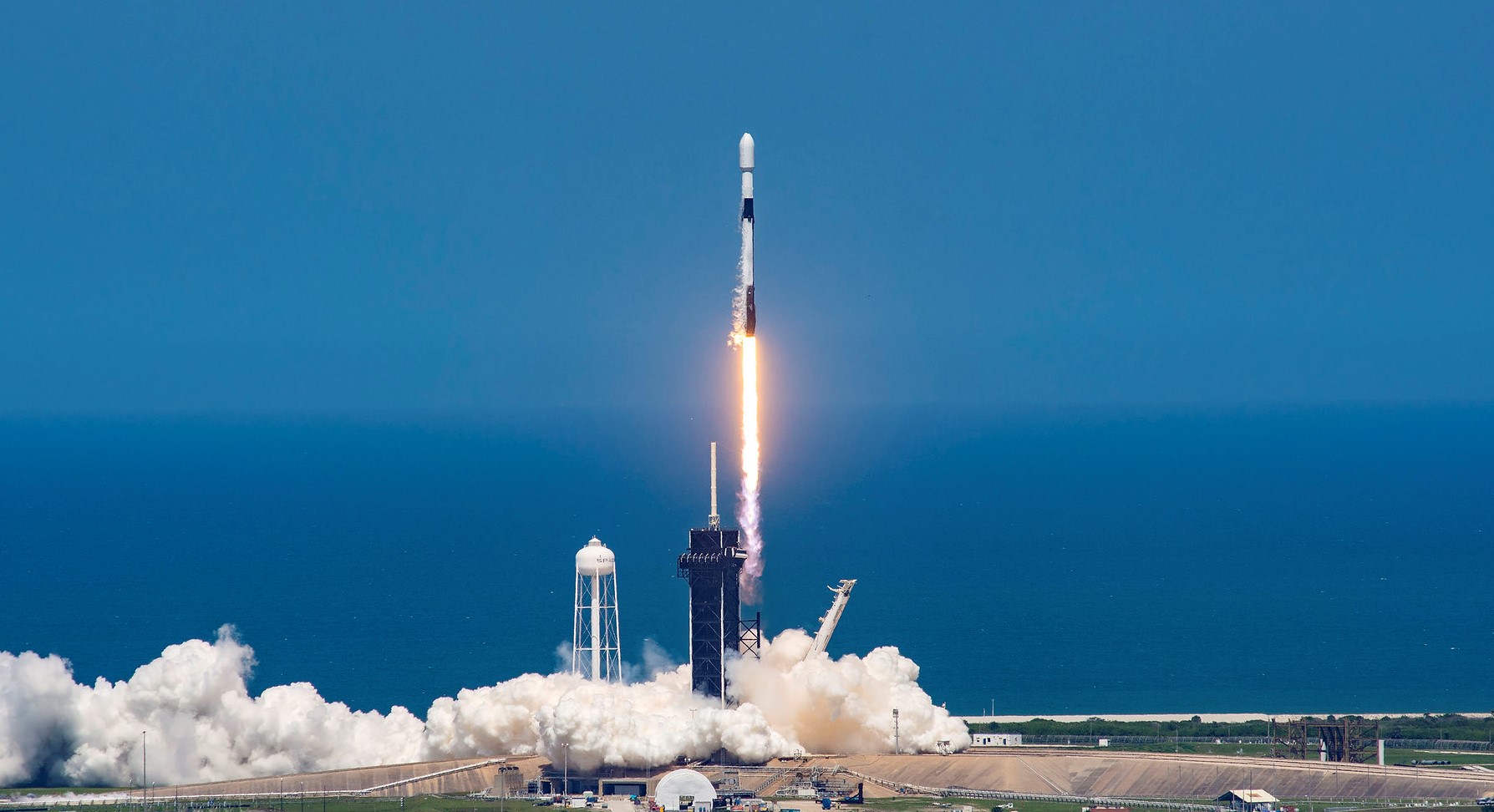
Falcon 9 Block 5 | Starlink Group 17-20
A batch of 25 satellites for the Starlink mega-constellation - SpaceX's project for space-based Internet communication system.

Falcon 9 Block 5 | Starlink Group 17-20
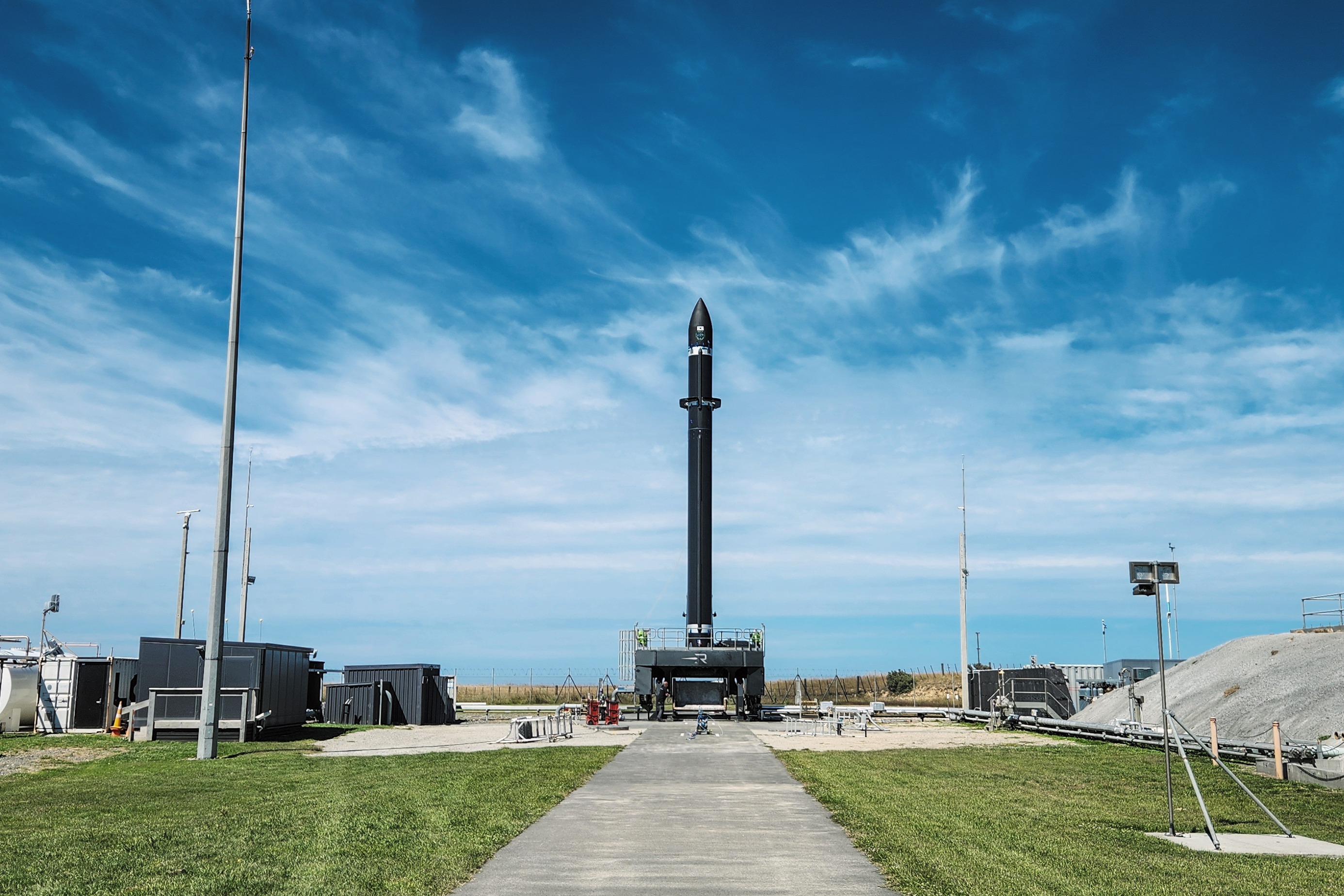
Electron | Bridging The Swarm (NeonSat-1A)
The NeonSat-1A, carrying a high-resolution optical camera, is designed to test the constellation capabilities of the South Korean government's Earth observation micro-satellite constellation NeonSat (New-space Earth Observation Satellite), in particular technology improvements identified from operations of NeonSat-1 after its launch in April 2024. These technologies will in turn be incorporated into the next 10 NeonSat under construction, as well as providing more site re-visiting capabilities along with NeonSat-1. The NeonSat constellation is the first satellite system developed by the government using a mass-production approach for precise monitoring of the Korean Peninsula, lead by the Satellite Technology Research Center (SaTReC) at the Korea Advanced Institute of Science and Technology (KAIST), Korea’s leading university dedicated to science and technology. Designed to capture near-real time natural disaster monitoring for the Korean peninsula, KAIST’s NEONSAT constellation is a collaboration across multiple Korean academic, industry, and research institutions, including SaTReC, which is leading the program’s system design and engineering. The NEONSAT program is funded by the Korean government’s Ministry of Science and ICT (MSIT).
Falcon 9 Block 5 | Starlink Group 6-101
A batch of 29 satellites for the Starlink mega-constellation - SpaceX's project for space-based Internet communication system.
Falcon 9 Block 5 | Starlink Group 17-19
A batch of 25 satellites for the Starlink mega-constellation - SpaceX's project for space-based Internet communication system.

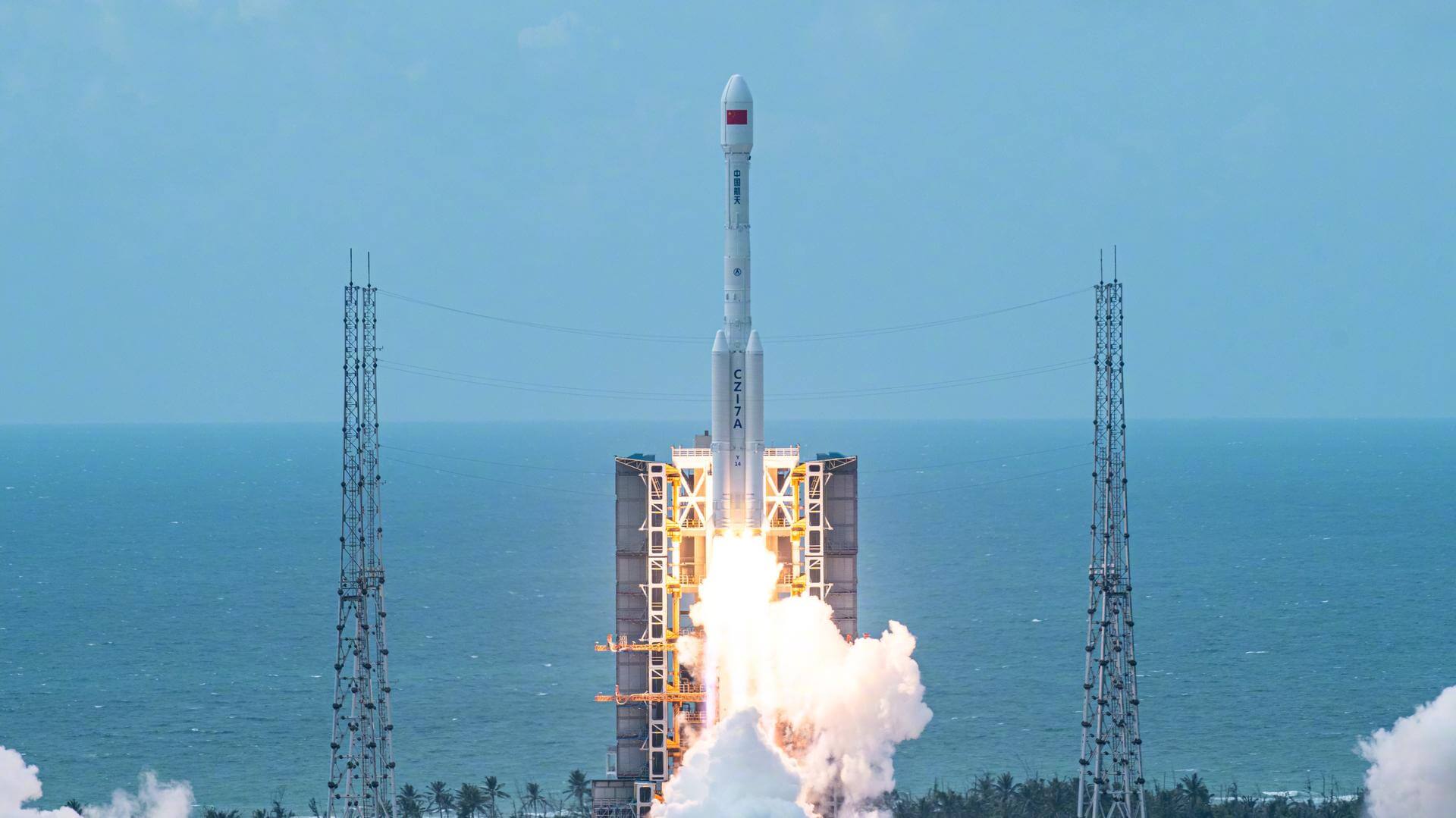
Smart Dragon 3 | Unknown Payload
Possibly an Earth observation satellite for the Pakistan government's SUPARCO, details TBD.
Falcon 9 Block 5 | Starlink Group 6-103
A batch of 29 satellites for the Starlink mega-constellation - SpaceX's project for space-based Internet communication system.
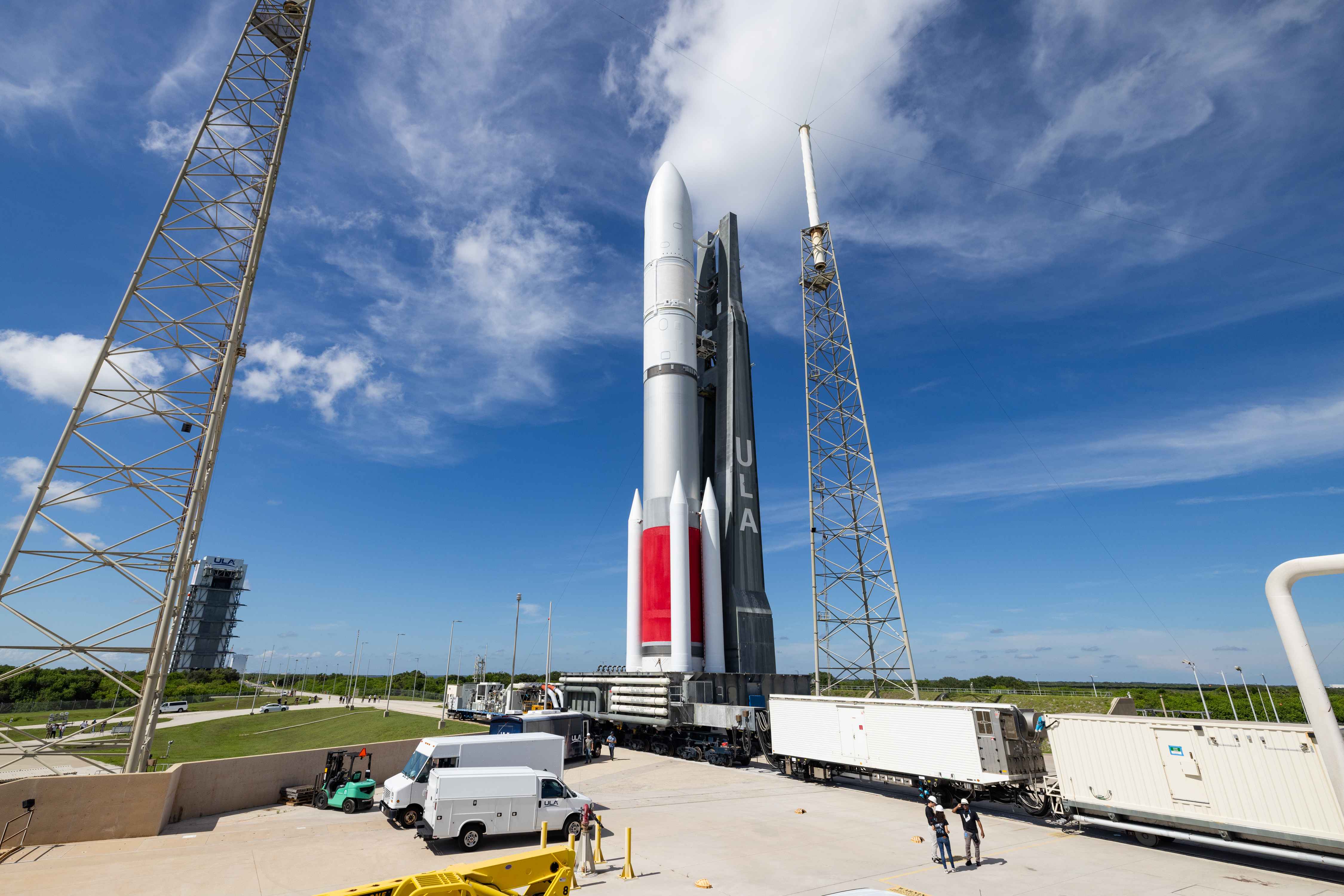
Vulcan VC4S | USSF-87
USSF-87 will launch two identical Geosynchronous Space Situational Awareness Program (GSSAP) satellites GSSAP-7 and GSSAP-8 directly to a near-geosynchronous orbit approximately 36,000 km above the equator. Data from the GSSAP will uniquely contribute to timely and accurate orbital predictions, further enabling space flight safety including satellite collision avoidance.
Falcon 9 Block 5 | Starlink Group 17-32
A batch of 24 satellites for the Starlink mega-constellation - SpaceX's project for space-based Internet communication system.
Falcon 9 Block 5 | Starlink Group 6-104
A batch of 29 satellites for the Starlink mega-constellation - SpaceX's project for space-based Internet communication system.
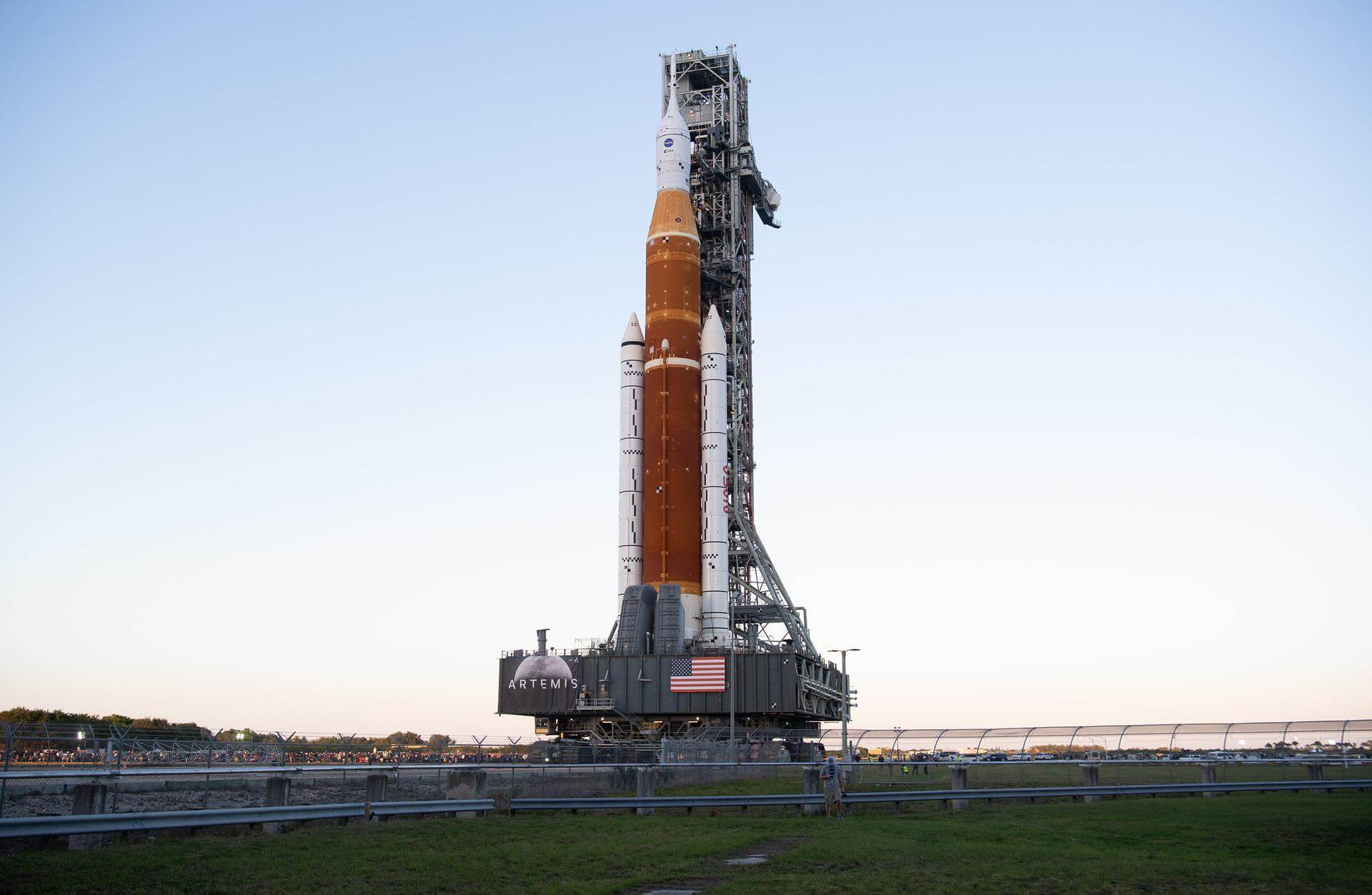
SLS Block 1 | Artemis II
Artemis II is the first crewed mission as part of the Artemis program. Artemis II will send a crew of 4 - 3 Americans and 1 Canadian around the moon and return them back to Earth. The mission will test the core systems of NASA's Orion spacecraft including the critical life support system, among other systems which could not be tested during Artemis I due to the lack of crew onboard.
Falcon 9 Block 5 | Starlink Group 10-36
A batch of 29 satellites for the Starlink mega-constellation - SpaceX's project for space-based Internet communication system. First Starlink launch to feature a Falcon 9 booster landing within The Bahamas waters operationally, after the trajectory was tested during launch of Starlink Group 10-12 in February 2025.