Launch Vehicles
Explore the rockets that power space exploration.
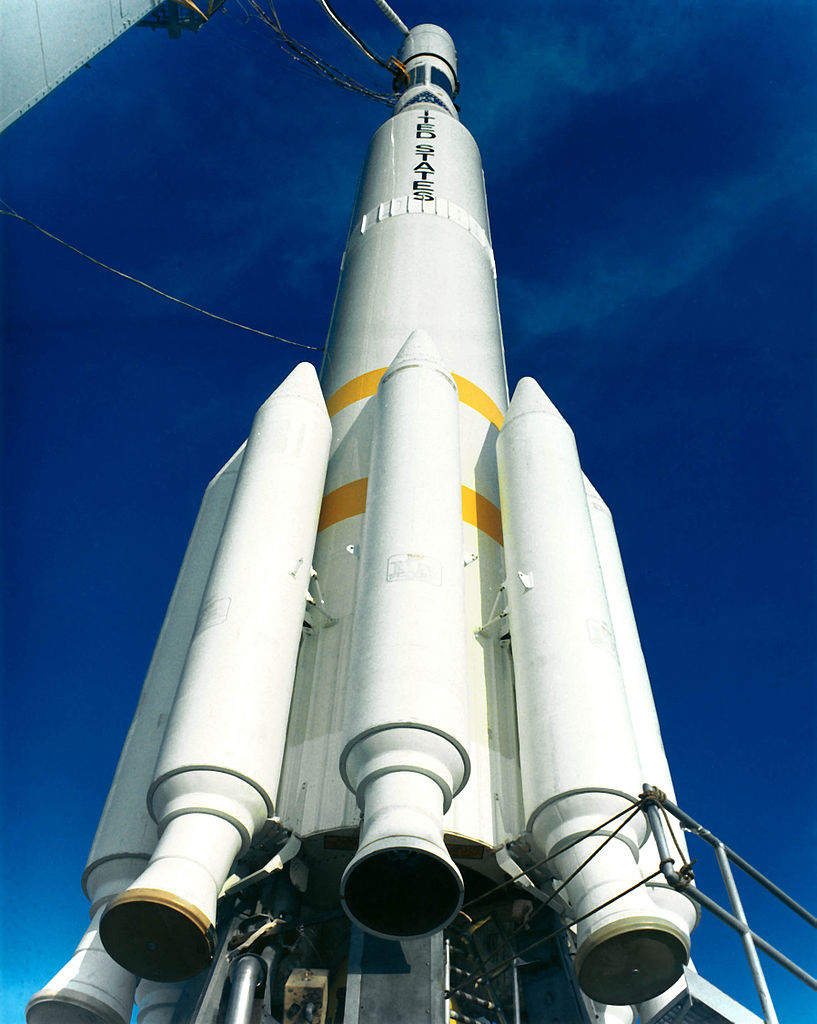
Delta 0900
The Delta 0100 series, also Delta 100, 0300 or 300 series, was an American expendable launch system which conducted orbital launches between 1968 and 1972. It was a member of the Delta family of rockets, and the first to be designated using a four digit numerical code. Two variants were flown, individually designated Delta 0300 and Delta 0900.
Delta 0300
The Delta 0100 series, also Delta 100, 0300 or 300 series, was an American expendable launch system which conducted orbital launches between 1968 and 1972. It was a member of the Delta family of rockets, and the first to be designated using a four digit numerical code. Two variants were flown, individually designated Delta 0300 and Delta 0900.
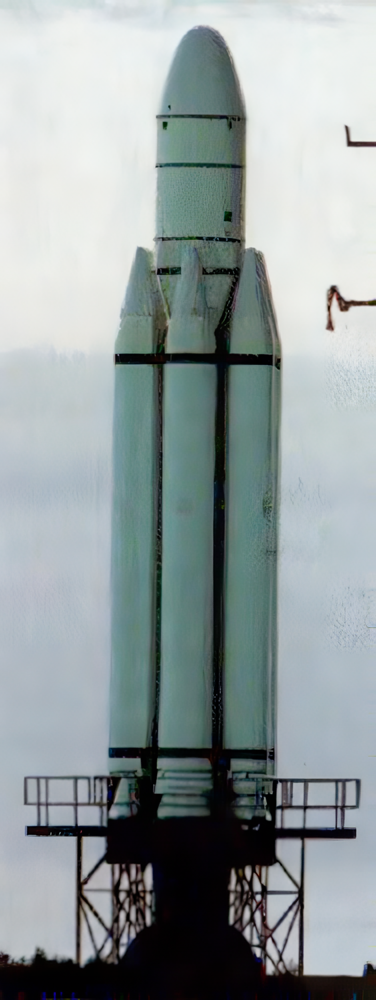
Conestoga 1620
The Conestoga was a launch vehicle design funded by Space Services Inc. of America (SSIA) of Houston, Texas. Conestoga originally consisted of surplus LGM-30 Minuteman stages with additional strap-on boosters, as required for larger payloads. It was the world's first privately funded commercial rocket, but was launched only three times (once as a modified design) before the program was shut down.
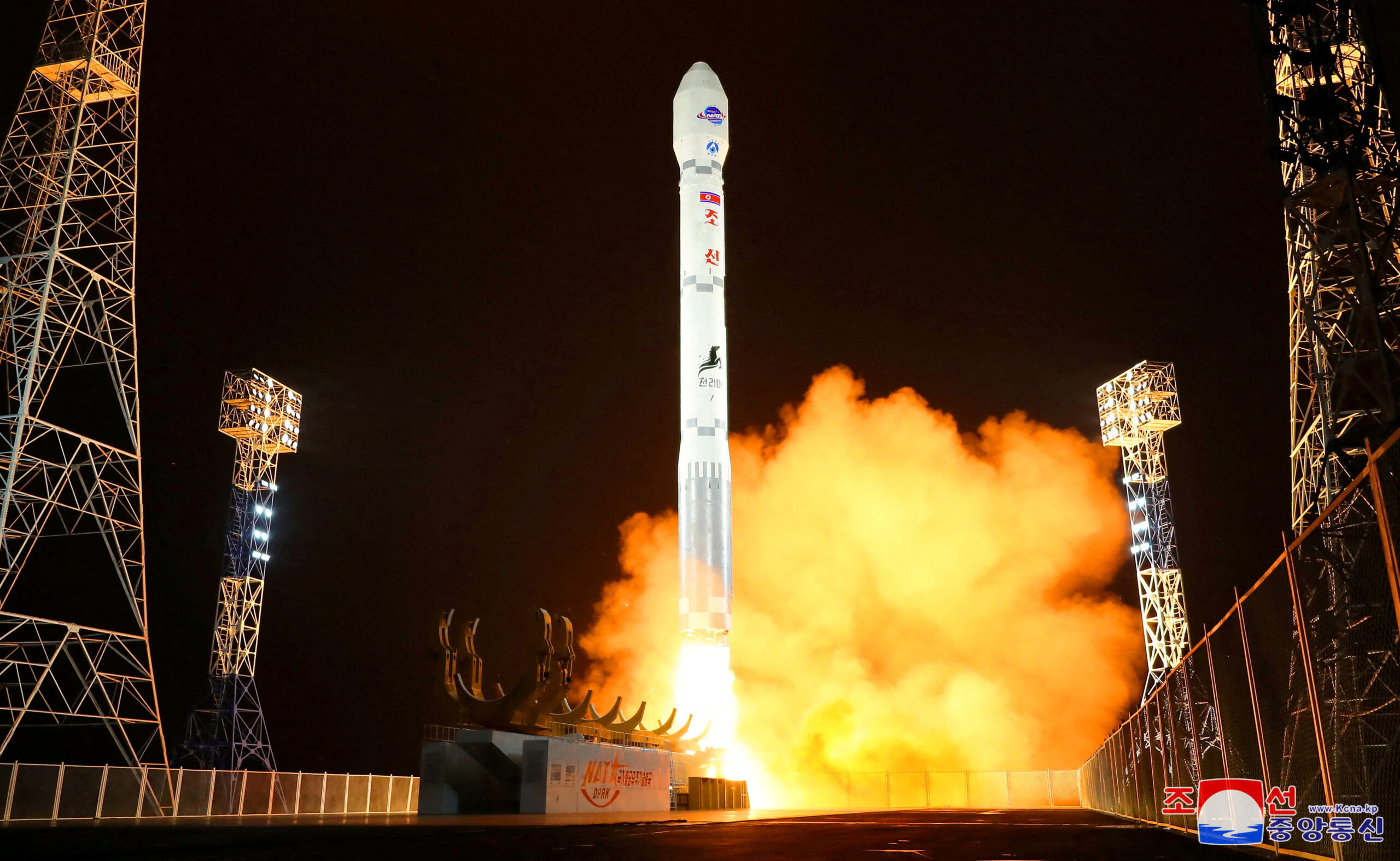
Chollima-1
North Korea space launch vehicle (with possible linkage to their ballistic missile program) debuting in May 2023, named after a mythical horse of extreme endurance. Exact design is unknown, but fragments salvaged from the sea shows similarities with the previous Unha series of launch vehicles.
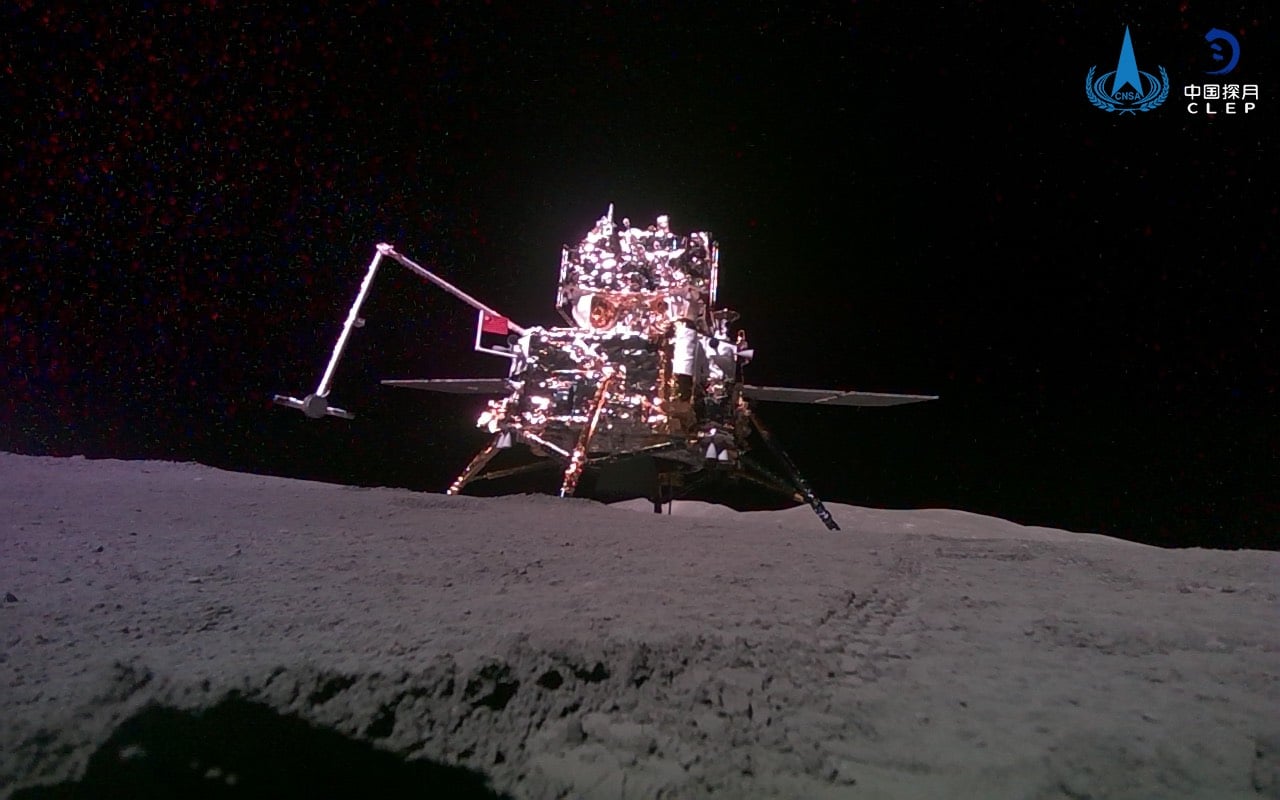
Chang'e
Sample ascent stage of the Chang'e 5 and 6 missions.
Ceres-1S
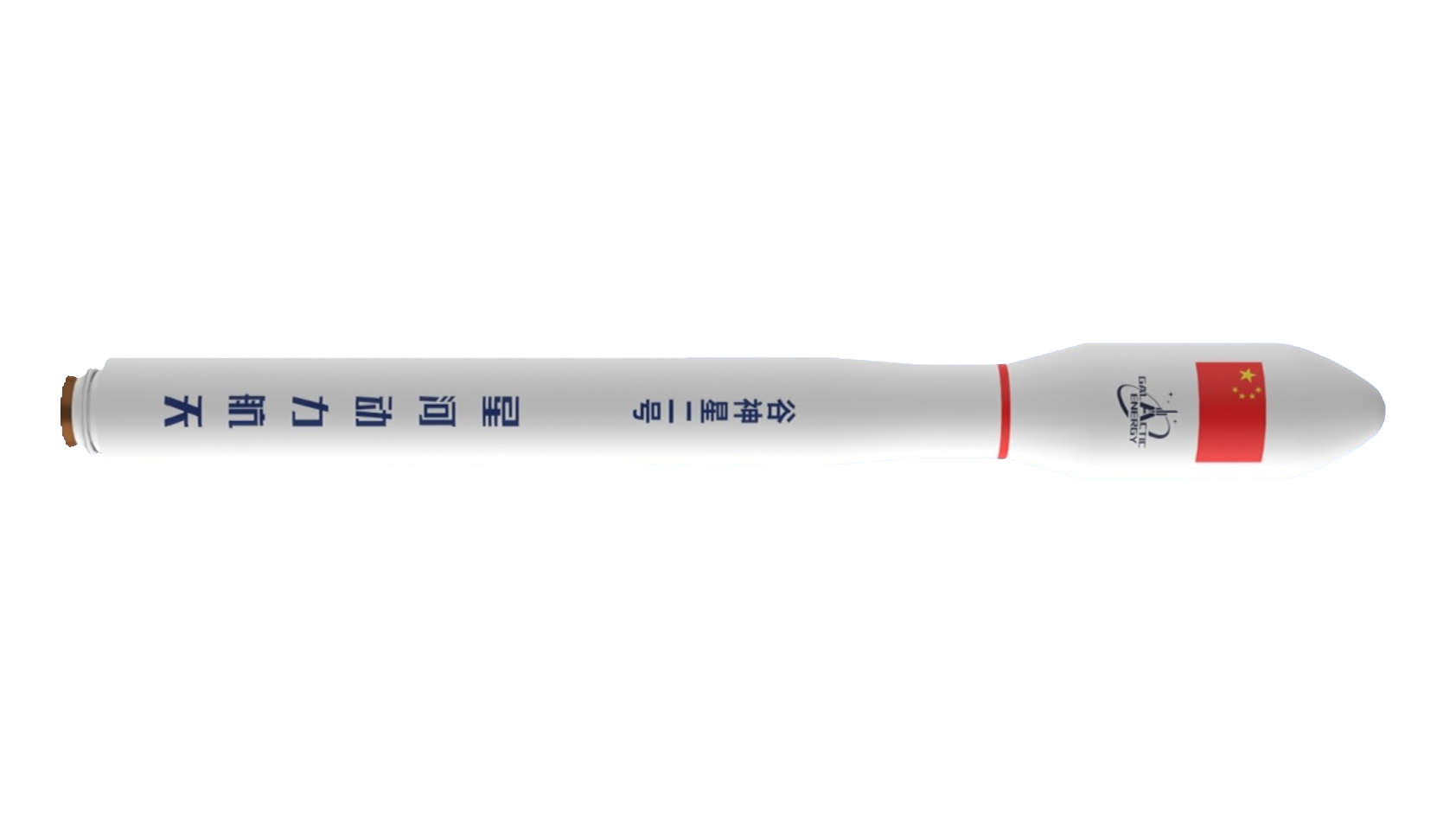
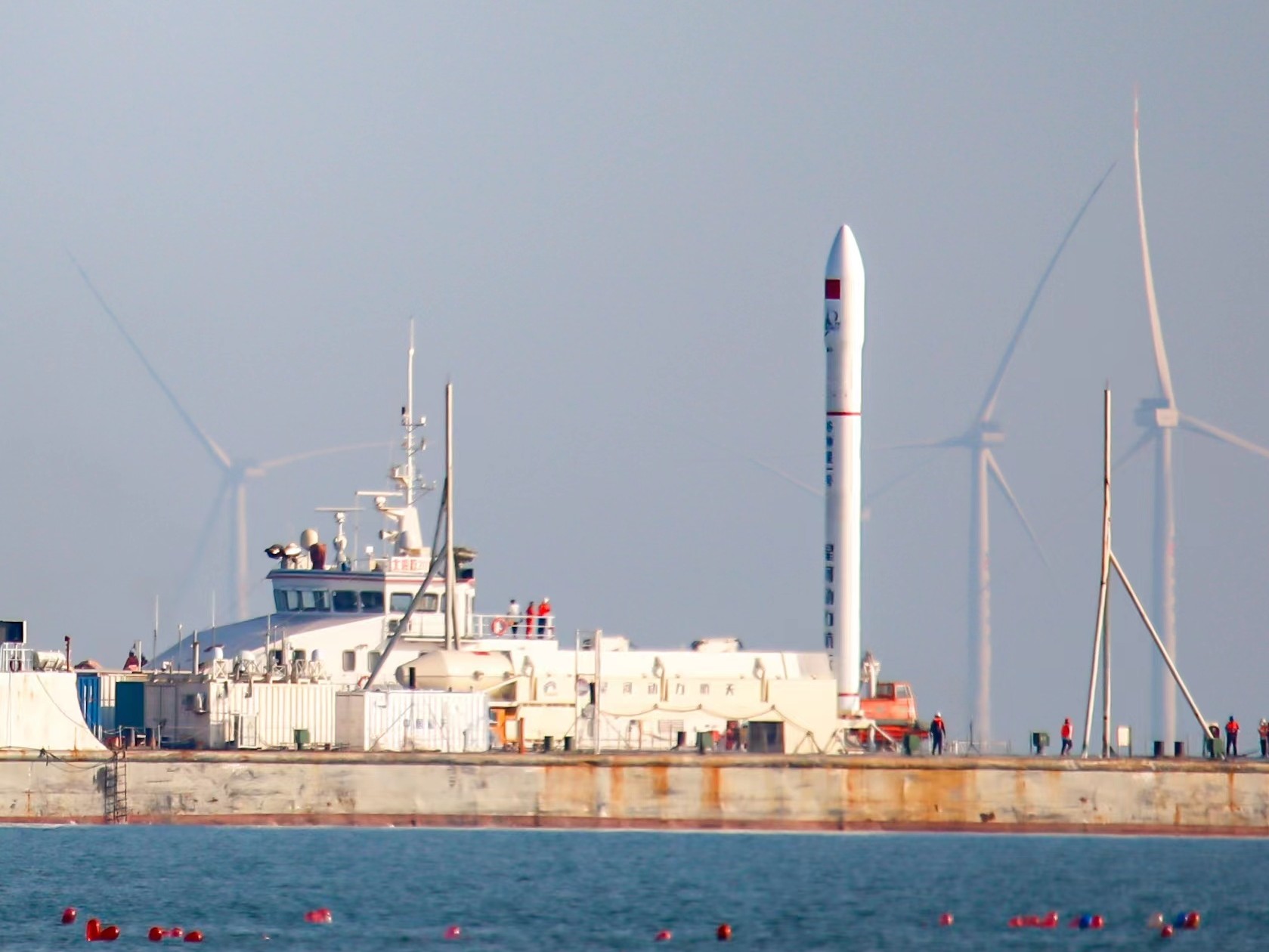
Ceres-1S is the sea launched version of Ceres-1 from Galactic Energy.
Ceres-1
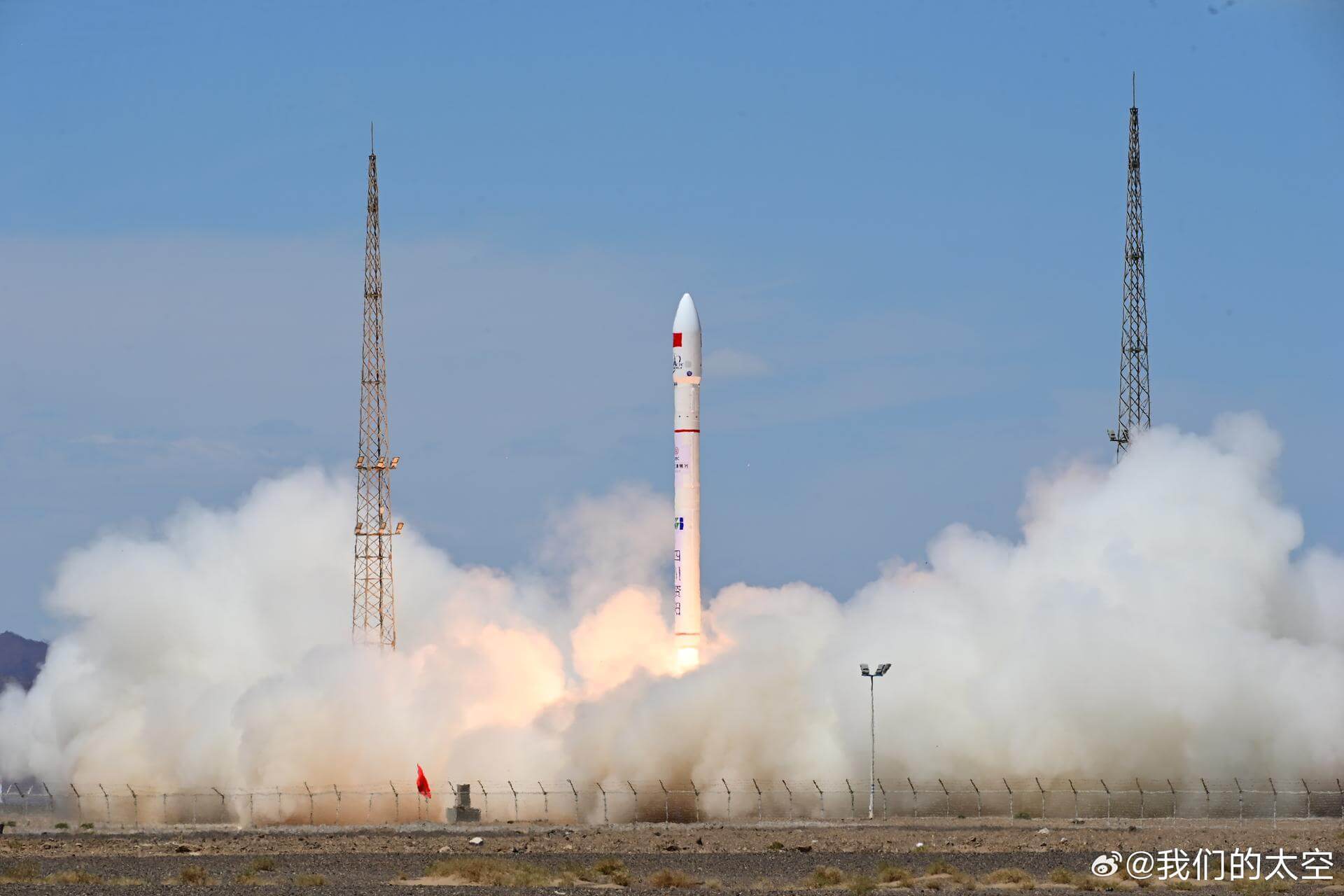
Ceres-1 is the first solid propellant launch vehicle of Galactic Energy.
Callisto
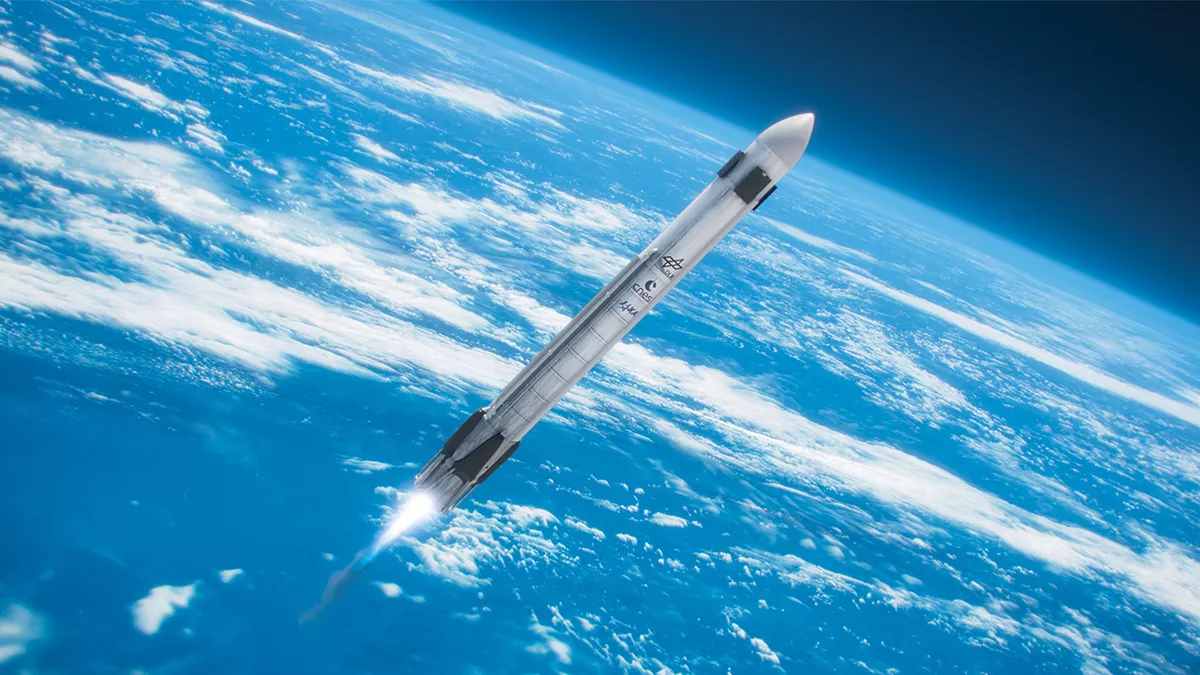
Callisto is a demonstrator designed to conduct flight testing and mature the complex technologies required to return a launcher to Earth, as well as refurbishment operations between flights, and to precisely cost an operational European launcher with a reusable first stage (it is not intended to become an operational launcher). Standing for “Cooperative Action Leading to Launcher Innovation in Stage Toss-back Operations”, Callisto is a project being pursued with the Japan Aerospace Exploration Agency (JAXA) and the German space agency DLR. A large number of international contractors are also contributing to the experiment, among them ArianeGroup and Mitsubishi Heavy Industries.
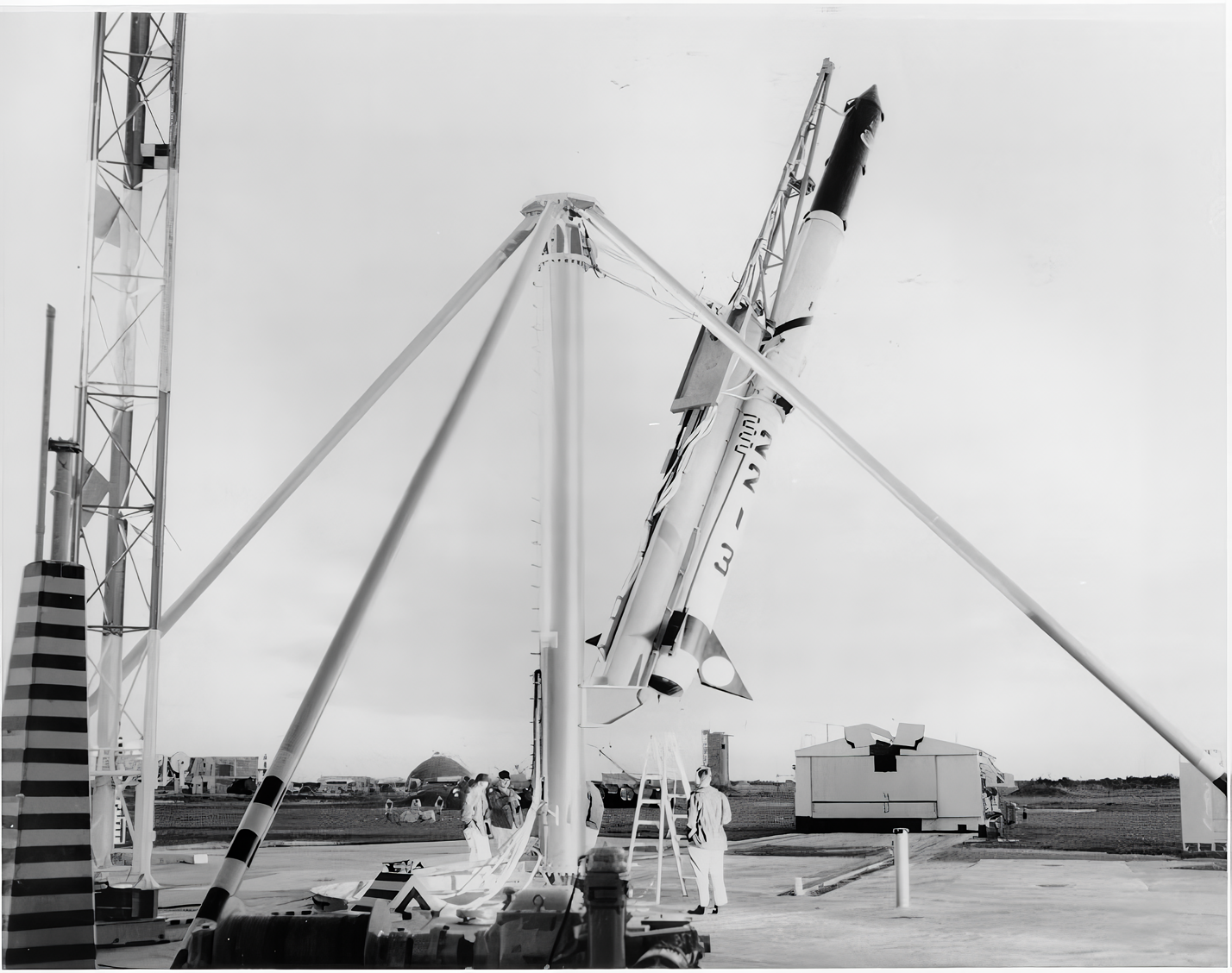
Blue Scout Jr
The XRM-91 Blue Scout Junior (sometimes called Journeyman B) was a rocket of the U.S. Air Force's System 609A Blue Scout family.
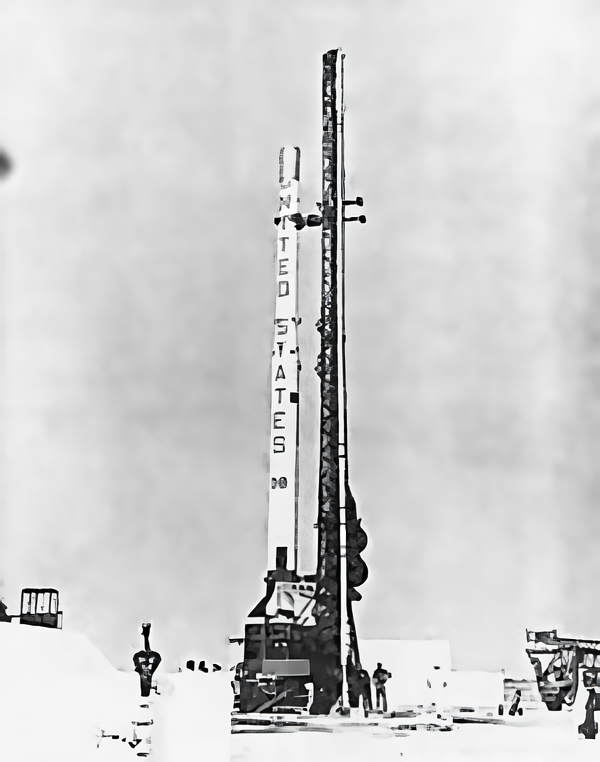
Blue Scout II
The RM-90 Blue Scout II was an American sounding rocket and expendable launch system which was flown three times during 1961. It was used for two HETS test flights, and the launch of the Mercury-Scout 1 satellite for NASA. It was a member of the Scout family of rockets.
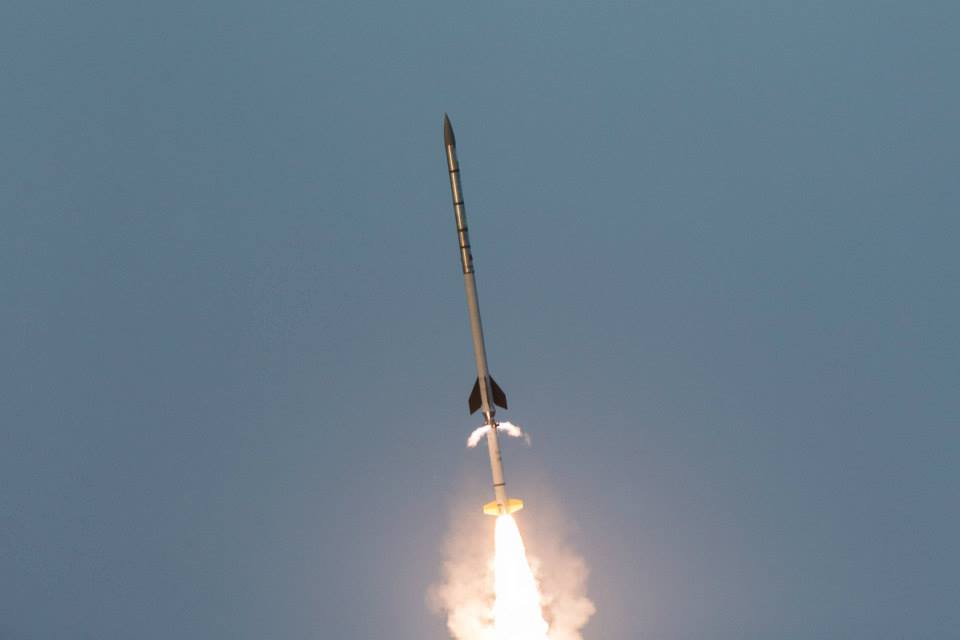
Black Brant IX
The Black Brant IX is a Canadian-designed sounding rocket used by the CSA and NASA.