SLS Block 1 | Artemis II
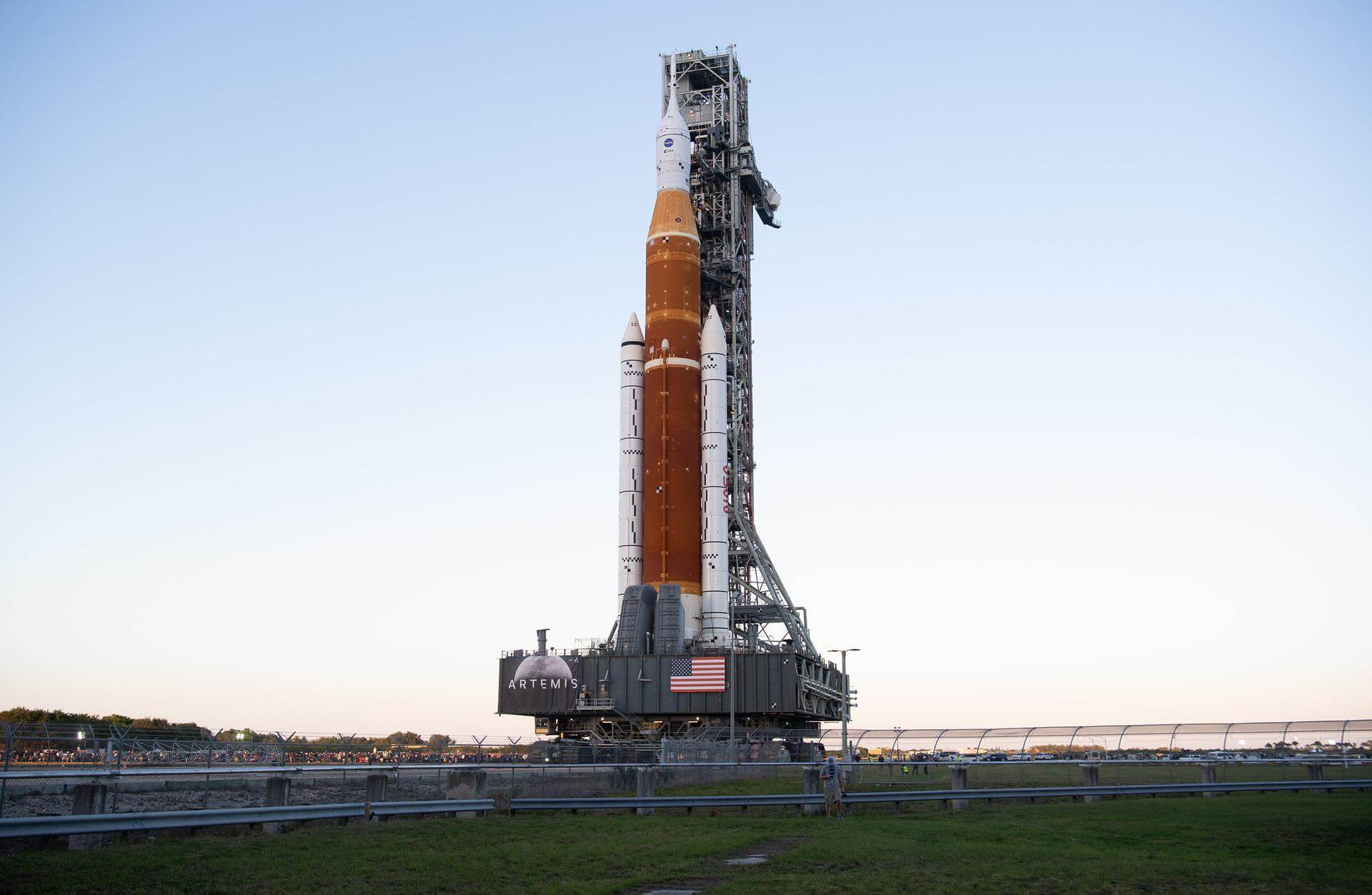
Artemis II is the first crewed mission as part of the Artemis program. Artemis II will send a crew of 4 - 3 Americans and 1 Canadian around the moon and return them back to Earth. The mission will test the core systems of NASA's Orion spacecraft including the critical life support system, among other systems which could not be tested during Artemis I due to the lack of crew onboard.
Launch Status
Awaiting official confirmation - current date is known with some certainty.
Launch Window
02:41 AM - 04:41 AM
Mission
Artemis II
Artemis II is the first crewed mission as part of the Artemis program. Artemis II will send a crew of 4 - 3 Americans and 1 Canadian around the moon and return them back to Earth. The mission will test the core systems of NASA's Orion spacecraft including the critical life support system, among other systems which could not be tested during Artemis I due to the lack of crew onboard.
Launch Pad
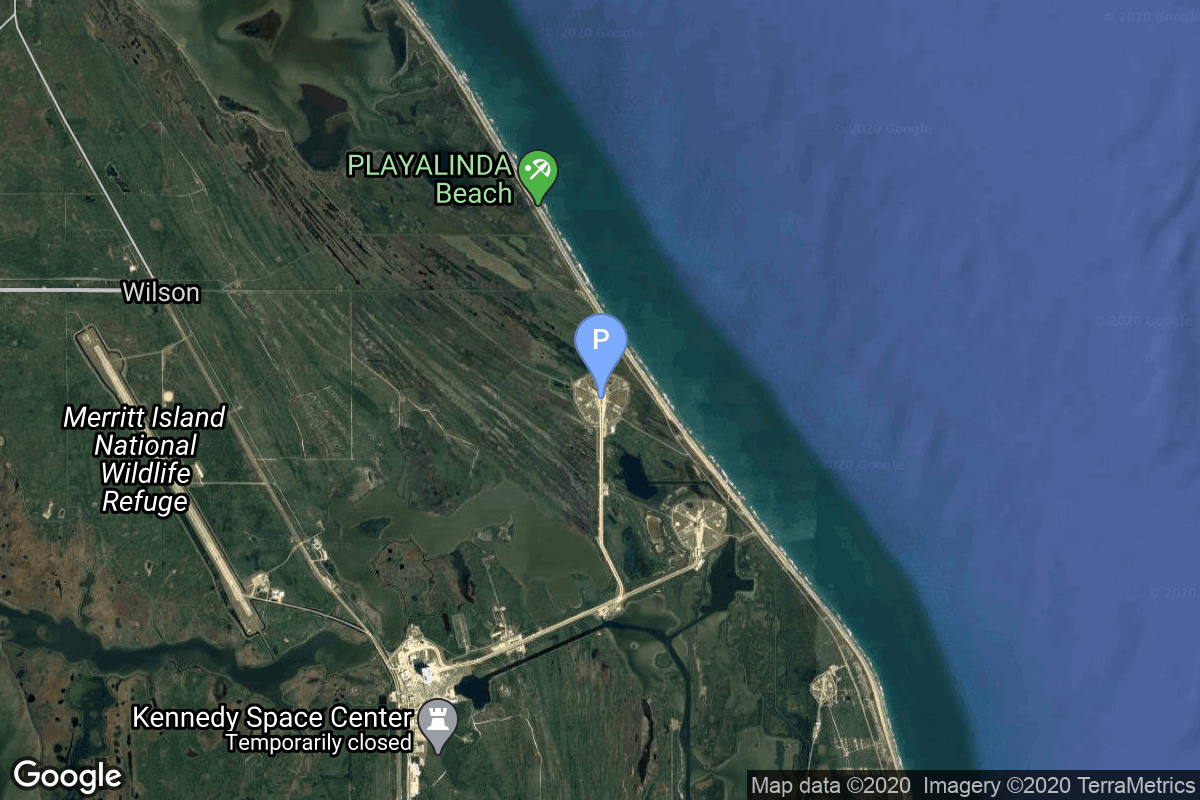
Launch Complex 39B
Kennedy Space Center, FL, USA
Total Launches: 58
Updates


Program
Artemis
The Artemis program is a US government-funded crewed spaceflight program that has the goal of landing "the first woman and the next man" on the Moon, specifically at the lunar south pole region by 2024.
Learn more →